Michael's Story
Living with rare disease, and choosing to fight back
My journey with Primary Sclerosing Cholangitis and Crohn's Disease taught me something important. When you have a rare condition, you often don't have many options. This foundation exists to change that.
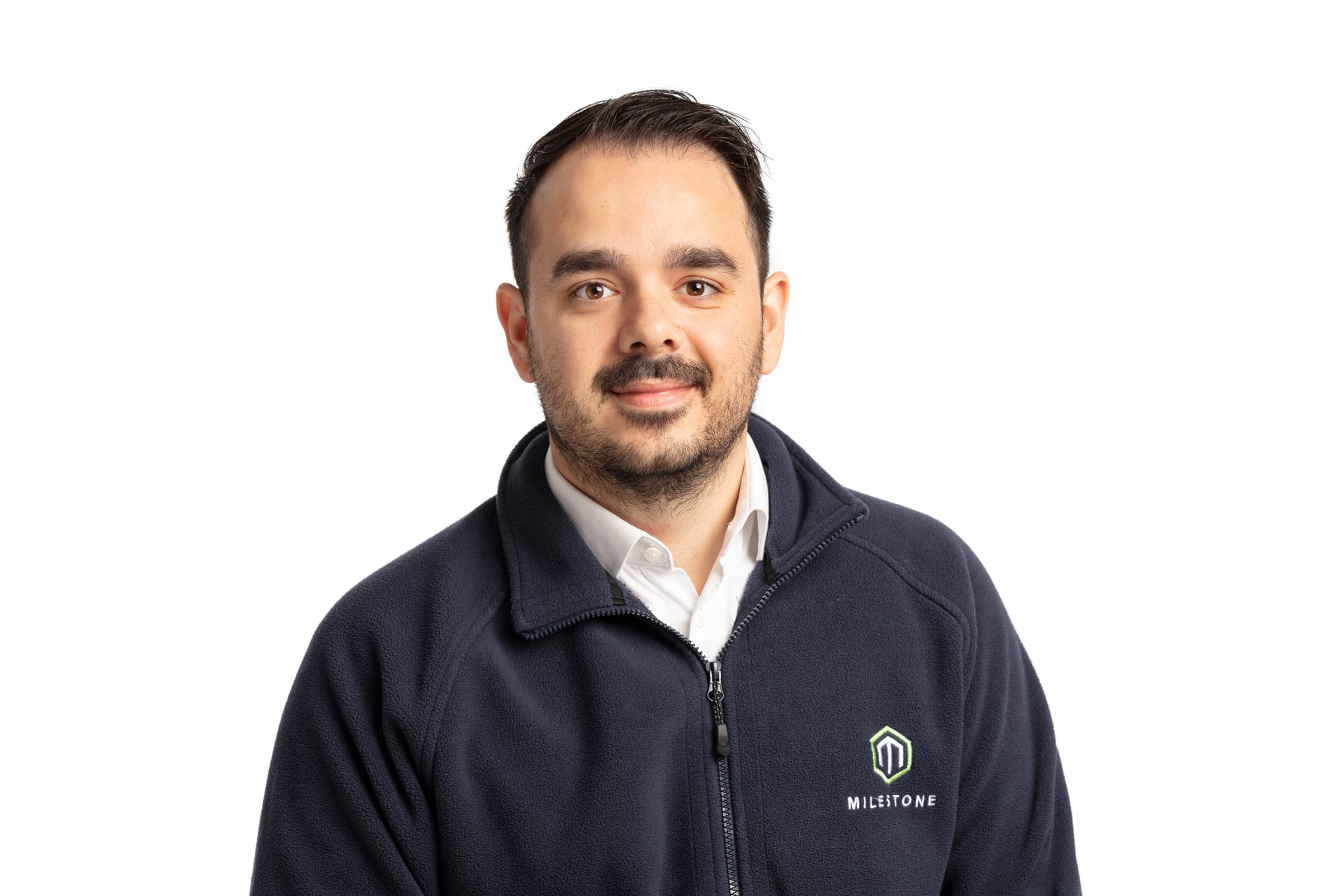

Recovering after emergency surgery, December 2024

Intensive care, December 2024
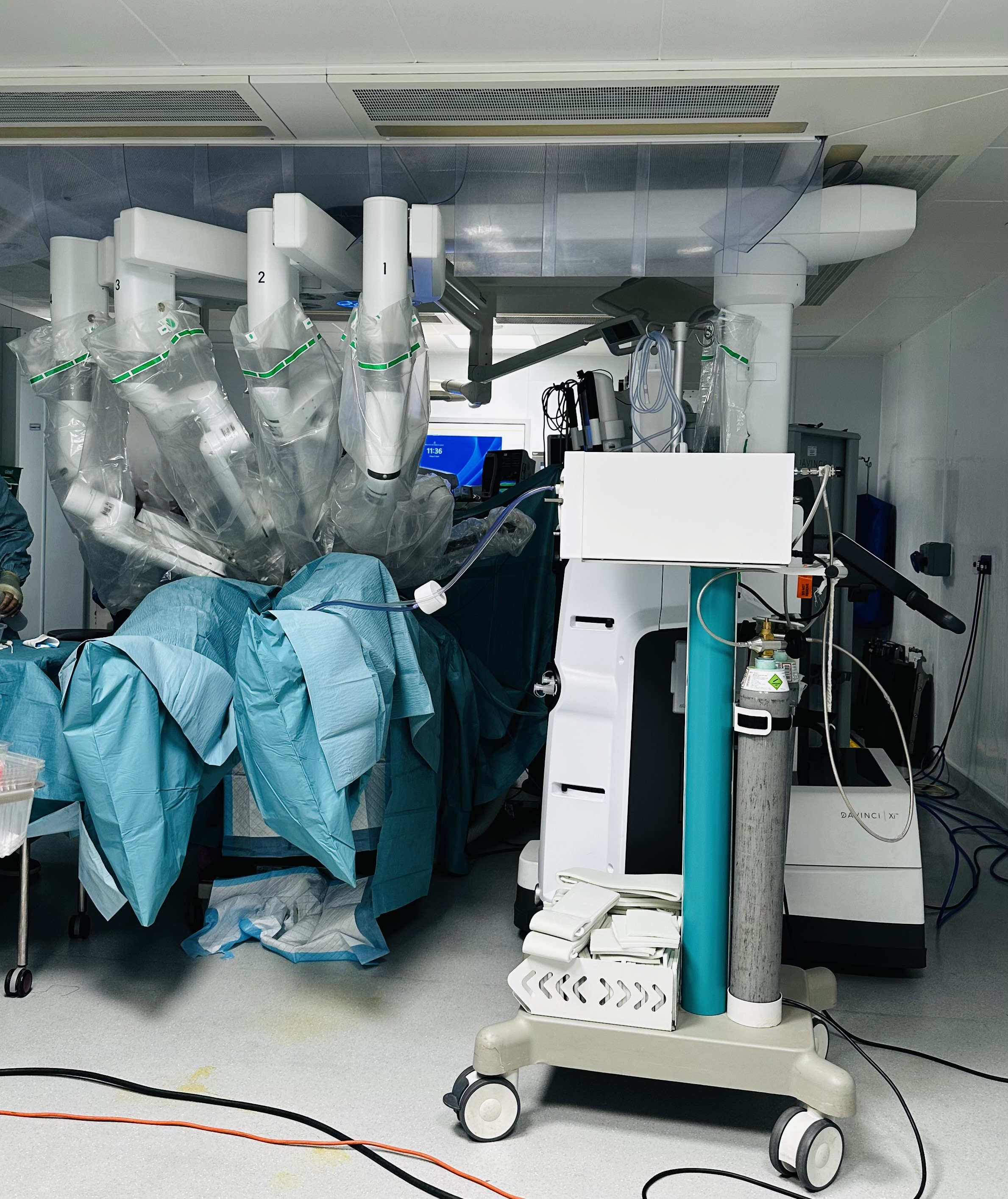
Me and the Da Vinci Xi robot, in theatre during reconstruction surgery, April 2026
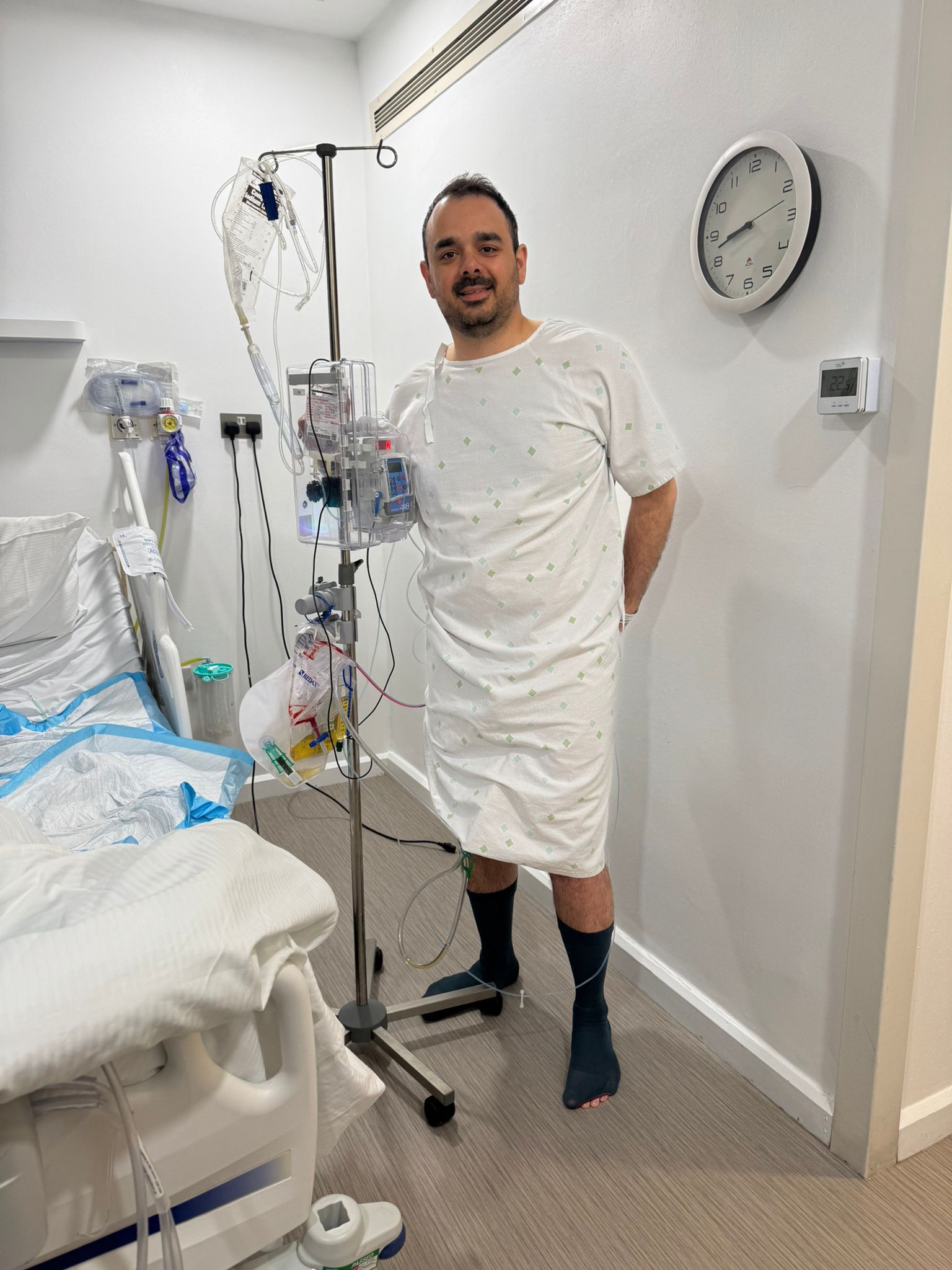
On my feet again after reconstruction surgery, April 2026
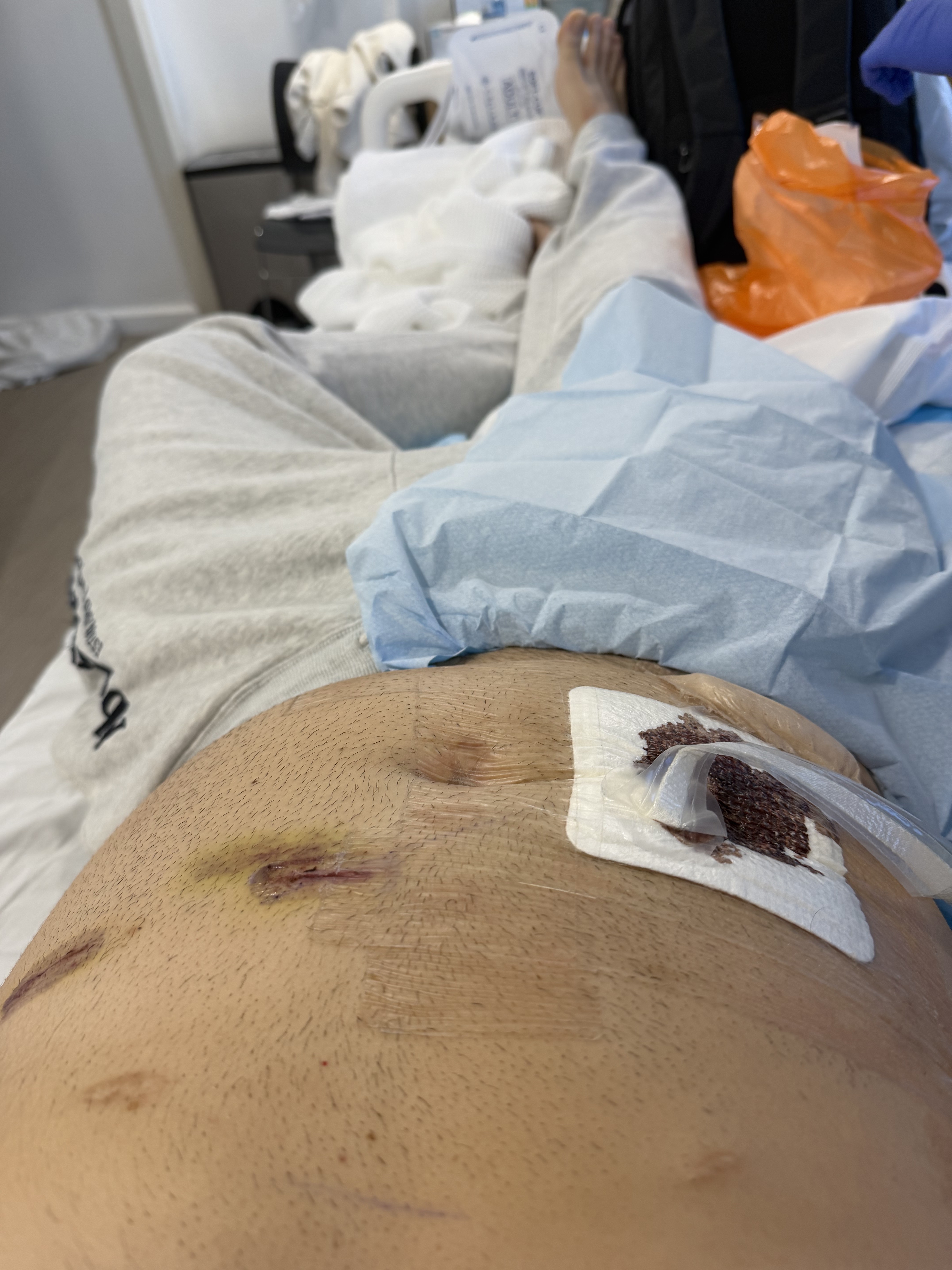
Surgical site following reconstruction, April 2026
The beginning: 2017
I was first diagnosed with Crohn's disease in 2017 after months of severe symptoms. After a six-month wait for a gastroenterology referral and extensive testing, I finally had answers, but also the realisation that this was a lifelong, incurable condition.
Through various medications I eventually found remission with Adalimumab, a biologic treatment. From 2018 to 2024 I managed it through careful diet and fortnightly injections. Life wasn't perfect, but it was manageable.
Then came PSC
In November 2024 I was diagnosed with Primary Sclerosing Cholangitis (PSC), a rare autoimmune disease that progressively damages the bile ducts in the liver. Initially, doctors suspected cancer. The months of testing and waiting for results were really hard.
PSC is particularly cruel because there are no treatments and nothing to slow its progression. The only option is to monitor the disease as it advances and hope to remain eligible for a liver transplant when liver failure occurs. Even then it isn't a cure, because PSC can recur in the transplanted liver.
The diagnosis triggered my first major Crohn's flare in six years. The remission I'd managed to hold onto fell apart quickly.
"Learning that there's nothing that can be done, that you simply have to wait and watch the disease progress, is one of the hardest things to accept."
December 2024: A life-threatening crisis
After six years in remission, I didn't recognise how serious things were getting. Neither did the first two doctors. By the time I was admitted on December 13th, I had lost 15kg in three weeks.
Despite high-dose steroids, antibiotics, and a rescue dose of Infliximab, my condition kept getting worse. On December 19th I underwent emergency surgery. It was a seven-hour operation led by colorectal surgeon Mr Vanesh Patel to remove all 1.5 metres of my large intestine and part of my small intestine. Surgeons found that sections had turned septic and were poisoning my body.
Doctors told my wife afterwards that I wouldn't have survived another 24 to 48 hours. Mr Patel saved my life that night.
Intensive care and recovery
After the surgery, both my lungs collapsed. I spent three days in intensive care on a specialised oxygen ventilator. The oxygen deprivation caused a brain infarction and temporary paralysis below my waist.
I was discharged on December 31st having lost 22 kilograms, and with a stoma bag. It was a significant adjustment, but it was also what had kept me alive.
April 2026: Reconstruction surgery
On 17th April 2026 Mr Vanesh Patel performed bowel continuity reconstruction surgery, an ileo distal sigmoid anastomosis, which reconnected my digestive system after 16 months with a stoma. The procedure was carried out using the Da Vinci Xi robotic surgery system.
I owe a great deal to Mr Patel. He operated on me twice in 16 months. The first time he kept me alive. The second time he gave me a better quality of life. The care he showed throughout, from that December night through to the planning and execution of the reconstruction, made a real difference.
Recovery takes time and things are still settling, but I'm getting there.
Living with two incurable conditions
Crohn's disease affects the entire digestive system, so the December surgery wasn't a cure. The diseased section is gone, but Crohn's can return elsewhere. I manage it through diet, lifestyle adjustments and immunosuppressant injections, and I'll be doing that for the rest of my life.
PSC is harder to live with in a different way. There's nothing to manage it with. Just monitoring. Regular blood tests, liver function panels, scans, consultant appointments. You learn to read the numbers and you wait. When the liver eventually fails, the plan is a transplant, though even that isn't a guarantee because PSC can recur in the new liver.
This is what rare disease actually means. When you're one of only a few thousand patients in the UK, research funding doesn't follow. The money goes where the patient numbers are, and if those numbers aren't there, the research largely isn't either.
"When you have a rare disease, you often face it alone. Funding follows numbers. If not enough people are affected, the research simply doesn't happen."
Living with the uncertainty
Managing PSC is a strange kind of existence. There's no treatment to take, no prescription to fill, no sense that you're doing anything about it. You just show up for your blood tests and scans and consultant appointments, and you wait to see where the numbers are. Every set of results brings anxiety. Every slightly off reading kicks off another round of worry.
The liver function tests come around regularly. You learn what each marker means, which ones are creeping in the wrong direction, what the thresholds are. Between appointments you try to get on with life, which is easier said than done when you know something is progressing in the background.
There are hard days. Days when the fatigue gets on top of you. Days when a result comes back off and you spend the evening trying not to spiral. Days when you're just tired of all of it.
But you can't let it take over. You acknowledge it, stay on top of the monitoring, and keep going. PSC will take things from me eventually. I'm not going to let it take things before it has to.
My message to others
IBD is far more than a bad stomach. It's a chronic, unpredictable autoimmune disease that can cause serious pain, fatigue, malnutrition, and in some cases the kind of emergency I went through. People underestimate how serious it gets.
If you have IBD or think you might, get help quickly. Don't let symptoms be dismissed as IBS or stress. Push for a referral if you're not being taken seriously. I know how badly delays can end, because it happened to me.
And if you're in the middle of it right now, it does get more manageable. With the right treatment and support, most people with IBD can live well. It's not the end.
"Don't let IBD defeat you. Yes, it's lifelong. Yes, it's hard. But it doesn't have to define you."
Keep Moving Forward
People with rare diseases deserve the same research attention as anyone else. And young people who want to pursue careers in science shouldn't have that door closed to them because of where they started.
I don't know what the future holds for my health. PSC is unpredictable and Crohn's has its own challenges. But I went from an ICU bed in December 2024 to reconstruction surgery in April 2026, and I'm still here. Whatever comes next, I'll deal with it when it arrives. You can't let the worry about what might happen take over the time you actually have.
Every research grant we fund, every scholarship we award, every young scientist we support, that's a step in the right direction. All we can do is Keep Moving Forward.
Read more about my journey
I've shared my full story with Crohn's & Colitis UK, including details about my diagnosis, treatment, surgery, and recovery.
Read my blog on Crohn's & Colitis UKAbout the Foundation
Learn about the Loizias Foundation, what we fund, how we work, and what we're trying to build.
Read the Foundation's storyJoin me in this mission
Whether you're a fellow patient, a researcher, or simply someone who believes rare diseases deserve attention—there's a place for you here.